
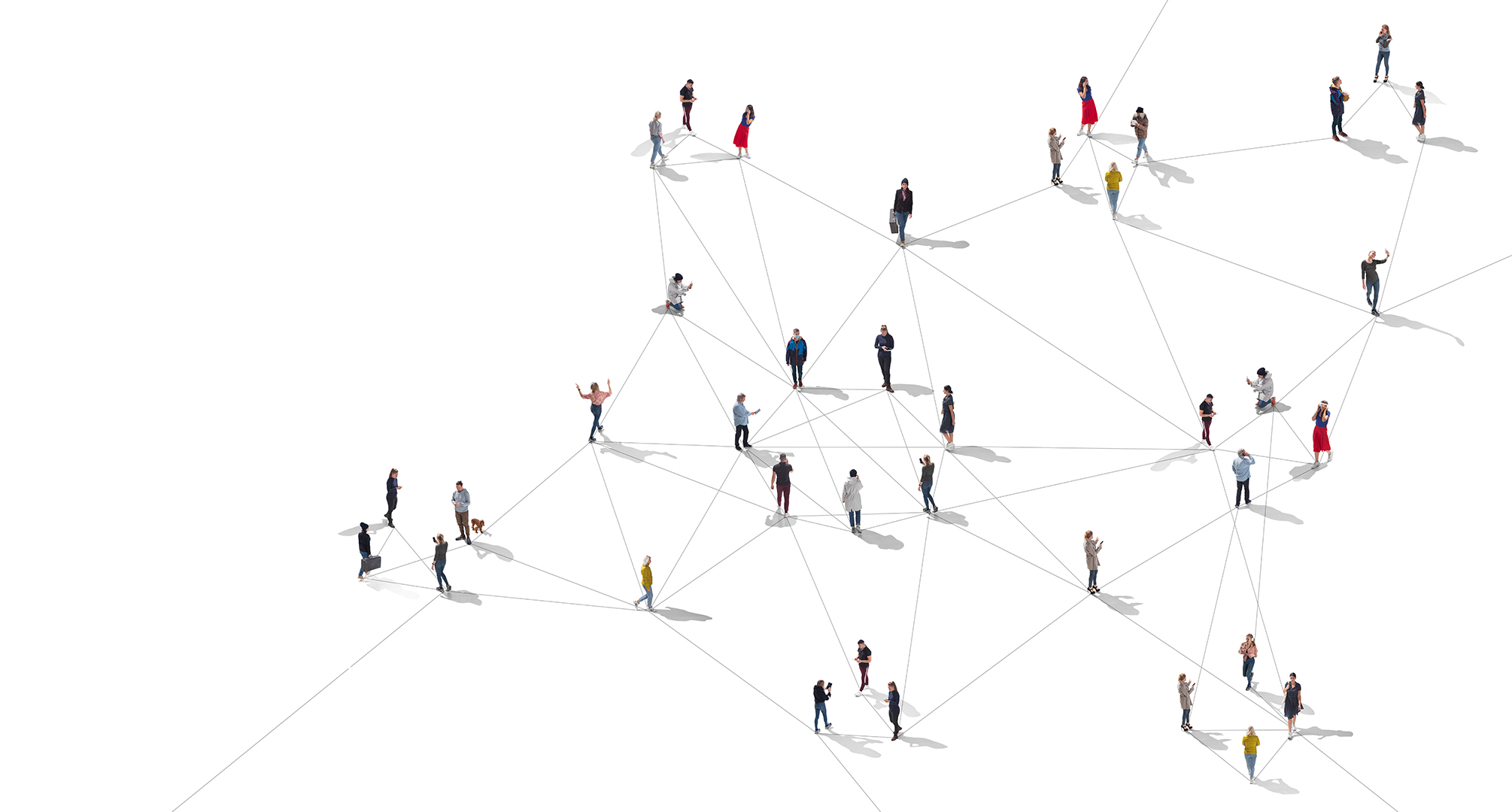
We’ve all had moments when we felt like we belonged and moments when we definitely didn’t. Have you ever walked into a room where you didn’t know anyone and immediately started looking for a familiar face? Or started a new job and wondered where you fit in? Maybe you’ve been part of a conversation where everyone seemed to know each other and you were standing on the outside trying to find your way in.
Belonging may seem like a simple feeling, but there’s actually a lot happening behind it. Humans are wired for connection. Our relationships with friends, family, coworkers and our communities don’t just make life more enjoyable; they play an important role in our mental and physical well-being.
Social connectedness is having the relationships, support and sense of belonging we need to thrive. Strong social connections can help us manage stress, improve our mental health and even support our physical health. According to the Centers for Disease Control and Prevention (CDC), social connection needs are met when you have the number, quality, and variety of relationships that you want which make you feel like you belong. This may look different for each person, but it is vital in helping people live longer and healthier lives.
What Does “Belonging” Mean?
Belonging is more than being included. You can be invited to a social gathering or a work meeting and still not feel like you truly belong. Belonging is the feeling that you’re seen, accepted and valued. It’s knowing you can contribute an idea, ask a question or admit that you don’t know something without worrying about how people will react. It’s knowing that your presence matters and it is important within our families, friendships, neighborhoods, schools, social groups, work, and communities.
Your Whole Person Needs Connection
Connection is a basic human need and there is science behind our desire to connect. Supportive relationships help us cope when life gets difficult. Strong social connections are associated with better stress management, better sleep, and longer, healthier lives. They can also help reduce the risk of depression and anxiety as well as several physical health concerns.
When we are lacking connection and a sense of belonging, the loneliness and isolation that results can take a toll. Loneliness doesn’t always look like being physically alone. Someone can have a busy social calendar, interact with coworkers all day or have hundreds of social media connections and still feel disconnected. It isn’t just about being surrounded by people; it is the meaningful connections that we are able to build with them.
What Does Belonging Look Like at Work?
For many of us, work is where we spend a significant amount of our time and that means our workplaces are an important place for connection. Creating belonging at work doesn’t mean coworkers need to become best friends or spend their weekends together. It can be much simpler.
When you interact with your peers and co-workers, do you feel as though your contributions are acknowledged? On the flipside, are you acknowledging the contributions of others? Can you ask for help without feeling embarrassed? When you walk into a meeting, do you feel like your perspective is welcome?
If you are a manager, do you ask your staff what they think, and listen to their answers? Employees are not always looking for grand gestures, sometimes the best way to show someone that they belong is to acknowledge and listen to them. Creating an environment of psychological safety in the workplace where people are able contribute their ideas without fear is the foundation of creating a sense of belonging.
Learn more about psychological safety in our blog Psychological Safety Fuels High-Performing Teams.
Everyday interactions have a bigger impact than we realize. The best way to help others feel like they belong is to notice them. Maybe you see a colleague who doesn’t speak up during meetings; checking in with them can help them feel seen. Ask someone how their weekend was and actually listen to the answer. Invite someone to lunch or strike up a conversation in the break room. Creating a culture of belonging at work is built up in the small moments.
When Connection Is Harder to Find
There are times in our lives when belonging can become more difficult. Starting a new job. Moving to a new community. Becoming a parent. Getting divorced. Becoming a caregiver. Retiring. Losing someone you love. Life changes, and sometimes our relationships and routines change with it.
You may suddenly realize that the people or places that once gave you a sense of community aren’t part of your everyday life anymore. Or you may find that you’re surrounded by people but still feel like something is missing.
Loneliness can be a signal that we need more meaningful connection. That doesn’t mean you need to suddenly make lots of new friends or fill every night of your calendar. It might mean reaching out to someone you trust, joining an activity you’ve been thinking about or simply saying “yes” the next time someone invites you to coffee.
Belonging Goes Both Ways
In your social life, think about the people who make you feel like you belong. Chances are, it’s not because of one big thing they did. It’s probably the accumulation of many small things. They remember what you told them. They text to see how you’re doing. They invite you along. They notice when you’re quieter than usual.
But belonging isn’t only something other people give us. We can help create it. We have opportunities to make the people around us feel seen, heard and valued. Remembering someone’s name and starting a conversation, offering them a place at the lunch table, and asking them what they think are small ways that you can use that build a greater sense of belonging for everyone.
You can start building belonging today. Reach out to a friend you haven’t heard from in a while. Join a group, volunteer or try an activity that gives you an opportunity to regularly connect with others. You don’t have to completely change your social life to feel more connected. Sometimes it starts with one person and one conversation.
If you are a customer with EFR, check out the following resources:
Log in to My EFR Portal and take our new SADS assessment (Social Avoidance and Distress Scale). Knowing if you experience negative emotions during social interactions might give you insight if you feel that you do not have a sense of belonging in your life. You can also download the EFR app for your mobile device.
If you are a manager, contact your Account Manager to learn more about the following training offering: Bring Back Belonging.