
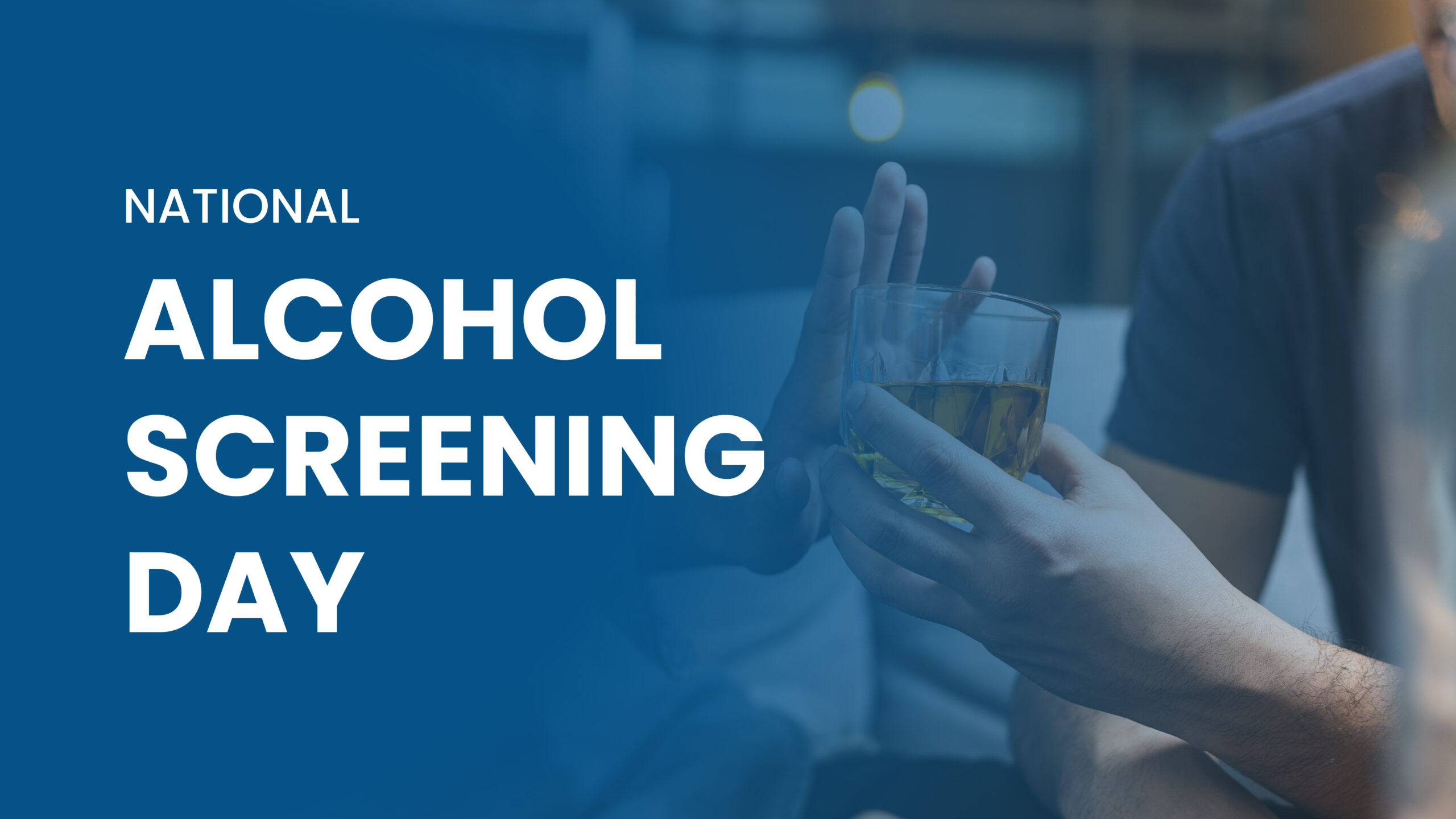
Alcohol is one of the most commonly used addictive substances in the United States. For many, it’s part of social gatherings, celebrations, or a way to unwind after a long day. But about one in twelve adults experience alcohol use disorder, and in addition, millions of individuals engage in risky behaviors such as binge drinking or daily use. When alcohol becomes a primary way to cope with stress, emotions, or life challenges, it can begin to impact overall well-being.
Each year, National Alcohol Screening Day (this year it is observed on April 9th) aims to raise awareness about the harmful effects of alcohol abuse and alcohol dependency as well as raise awareness of the importance of a healthy lifestyle. But just as importantly, the conversation it encourages is important year-round. Taking time to understand your own habits with alcohol can be a powerful step toward improved health, stronger relationships, and greater balance in daily life.
Alcohol Use in the United States
Alcohol use exists on a spectrum. For some, it remains occasional and moderate. For others, it can shift into patterns that increase risk to both physical and mental health.
According to the National Institute on Alcohol Abuse and Alcoholism, nearly 28 million people ages 12 and older in the United States were estimated to have Alcohol Use Disorder (AUD) in 2024. Additionally, the Centers for Disease Control and Prevention reports that about 1 in 6 adults engages in binge drinking, defined as consuming a large amount of alcohol in a short period of time.
These statistics highlight something important: alcohol misuse is more common than many people realize. It doesn’t always look like dependency, and it doesn’t always follow a predictable pattern. That’s why awareness is key.
When Drinking Becomes a Coping Strategy
Life comes with stress. Whether it’s work pressure, caregiving responsibilities, financial concerns, or major life transitions, it’s natural to look for ways to cope. For some, alcohol becomes an easy and accessible option.
While it may provide temporary relief, relying on alcohol to manage emotions can create a cycle that is difficult to break. Over time, this pattern can:
- Disrupt sleep and energy levels
- Increase feelings of anxiety or depression
- Strain relationships
- Impact focus and productivity at work
- Lead to increased tolerance and higher consumption
What starts as a way to relax can gradually become something that adds to the stress it was meant to relieve.
The Value of Checking in with Yourself
National Alcohol Screening Day encourages individuals to take a closer look at their habits—but self-reflection doesn’t have to be tied to a single day. Regular check-ins can help you stay aware of patterns before they become concerns.
Consider asking yourself:
- Am I drinking more frequently than I used to?
- Do I rely on alcohol to manage stress or emotions?
- Have others expressed concern about my drinking?
- Is alcohol affecting my sleep, mood, or performance?
These questions aren’t meant to create guilt—they’re meant to create awareness. Even small shifts in perspective can lead to meaningful changes.
Building Healthier Alternatives
If alcohol has become a go-to coping mechanism, it can be helpful to explore other ways to manage stress and maintain balance. Healthy lifestyle factors provide meaningful alternatives to alcohol instead of drinking to manage stress, individuals can turn to the following:
- Movement and physical activity: Exercise is one of the most effective ways to reduce stress and improve mood. Whether it’s walking, yoga, or strength training, consistent movement helps regulate both physical and emotional health.
- Mindfulness and relaxation techniques: Practices like deep breathing, meditation, or guided imagery can help calm the nervous system and provide immediate relief during stressful moments.
- Creative expression: Journaling, art, music, or other creative outlets can provide a healthy way to process emotions and gain clarity.
- Connection with others: Spending time with supportive friends and family creates a sense of belonging and reduces feelings of isolation. Even a simple conversation can shift perspective.
- Time outdoors: Nature has a powerful effect on mental well-being. Fresh air, sunlight, and movement can all contribute to improved mood and reduced stress.
These alternatives don’t just replace alcohol—they provide benefits that contribute to long-term resilience and help build a sense of belonging and stability.
The Role of Structure and Purpose
When your day includes structure and purpose, there is less space for habits that don’t serve you. Setting small, achievable goals—like learning a new skill, reading regularly, or engaging in a hobby—can create a sense of accomplishment and forward momentum. Activities like cooking, gardening, or volunteering can also add meaning and fulfillment to your routine.
At the same time, prioritizing foundational health habits—like sleep, nutrition, and hydration—plays a critical role in emotional stability. When your body is well-supported, your ability to manage stress can improve as well.
The Importance of Support Systems
No one has to navigate challenges alone. Whether you’re looking to make small changes or address more significant concerns, support can make a meaningful difference.
Support systems are key to sustaining these choices. Talking with a trusted friend, mentor, or counselor, joining peer support groups, or engaging in spiritual practices can provide encouragement and perspective. Seeking support isn’t a sign of weakness—it’s a proactive step toward well-being.
Moving Forward with Awareness
Alcohol use is a complex and personal topic. There’s no one-size-fits-all definition of what is “too much,” but there is value in paying attention to how it fits into your life.
National Alcohol Screening Day is a reminder, but the opportunity for reflection and change is always available. By increasing awareness, building healthier coping strategies, and leaning on available support systems, individuals can take meaningful steps toward improved well-being.
Small changes can have a lasting impact. And when life feels overwhelming, having the right support in place can make all the difference.

Interested in learning more about alcohol’s effects on your health, life, and relationships? Check out the resources below!
Listen our podcast episode, Values Driven Sobriety
Read our blog, Finding Strength Through Support
Do you think you may have a problem with alcohol misuse? Visit AA for more resources.
Are you a family member or friend of someone who has a problem with alcohol? You can find resources for yourself at Al-Anon.